
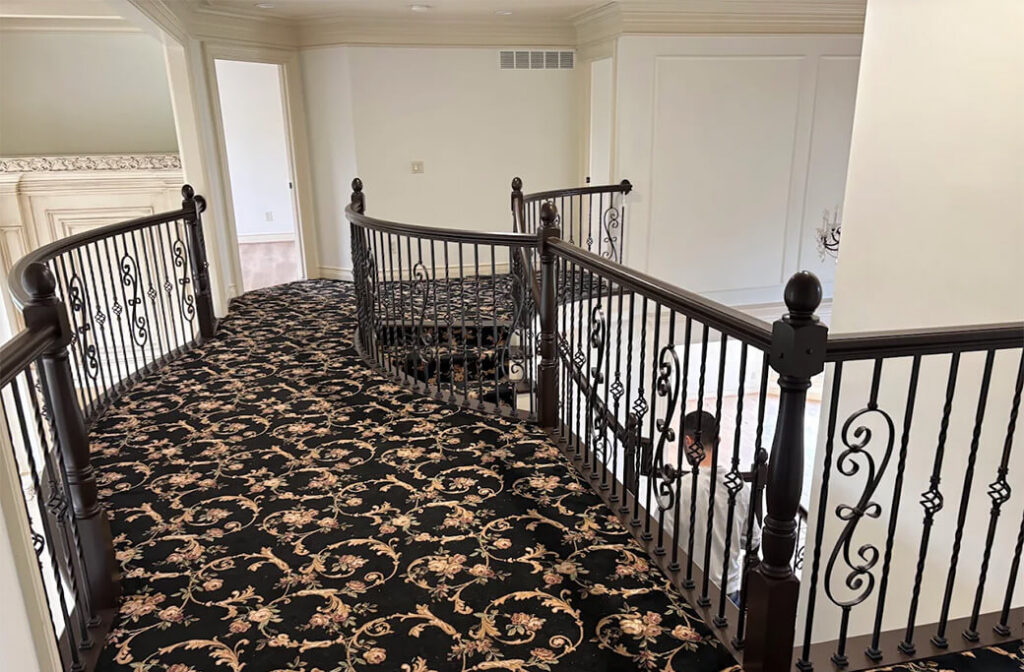
Michigan winters can put outdoor home improvement projects on hold. However, if you’re tired of scuffed living room walls or ready to refresh a bedroom, you don’t necessarily need to wait until spring. Yes, you can paint your home’s interior during a Michigan winter when indoor temperature, humidity, ventilation, and surface conditions are managed appropriately.
At LRM Painting, we help homeowners in Chesterfield Township and surrounding Southeast Michigan communities refresh their interiors. Here’s what to consider before scheduling a cold-weather project.
Why Winter Can Be a Good Time for Interior Painting
Unlike exterior painting, interior work takes place in an environment that can be heated and monitored. Many homeowners also spend more time inside during winter and begin to notice worn baseboards, dated colors, or scuffs in busy rooms.
Your Home Is Already Heated
A heated home can provide suitable conditions for painting, but room temperature is not the whole story. Walls, trim, paint, and surrounding air must all meet the paint manufacturer’s application requirements. An exterior wall can be colder than the thermostat reading suggests.
A Practical Time for Indoor Updates
Winter can be a good opportunity to refresh living rooms, bedrooms, hallways, doors, and trim without changing the layout of your home. The best schedule depends on the rooms you need to use, the extent of preparation, and the drying and curing requirements of the products selected.
Does Cold Weather Affect Interior Paint?
Yes. Although the work happens indoors, cold weather can affect surface temperatures and ventilation. Paint must dry and form a durable film, and the wrong conditions can interfere with that process.
Indoor and Surface Temperatures Both Matter
Many conventional interior latex paints require application temperatures around 50°F or higher, but the exact minimum varies. Cooler conditions can make paint harder to apply and slow drying. We recommend checking the selected product’s technical instructions, rather than relying on a single temperature rule.
Watch for Cold Exterior Walls
Walls bordering garages, poorly insulated exterior walls, and rooms with uneven heating may feel cooler than the rest of the house. The painted surface must be suitable for application, not merely the air around it. Moisture or condensation on a wall must also be addressed before painting.
How Does Winter Humidity Affect Interior Painting?
Winter heating often produces drier indoor air, which can influence how water-based paint behaves. Very dry air may shorten working time, while excess moisture can slow drying. Balanced conditions and appropriate airflow are more useful than assuming that dry air is always better.
Drying Is Different From Curing
Drying is the stage when the surface becomes dry to the touch. Curing is the longer process in which the coating develops its intended durability. A wall may feel dry in hours while still needing additional time before it can tolerate cleaning, contact, or furniture placed against it.
Don’t Rush Recoating or Normal Use
Applying a second coat too early can compromise appearance. Doors, trim, and high-contact walls may need extra care after painting. Follow product-specific recoat and cure instructions, and avoid aggressive cleaning until the coating is ready.
Can You Ventilate Your Home While Painting in Winter?
Yes, but ventilation takes planning when temperatures are freezing. Opening every window for hours can make it difficult to maintain proper indoor conditions. The right approach depends on the products used, the work area, and the home’s ventilation.
Choose Appropriate Interior Products
Low-VOC or low-odor paints may reduce certain emissions and odors, but they do not remove the need for ventilation. Follow the manufacturer’s label and safety instructions. If you are sensitive to paint odors, mention that when discussing your project so product selection and scheduling can be considered.
Keep Temperatures Consistent
Large temperature swings can affect drying. Turning down the heat sharply overnight can leave painted surfaces cooler than expected. Consistent conditions throughout application and drying support a better result.
Which Rooms Make Sense for Winter Interior Painting?
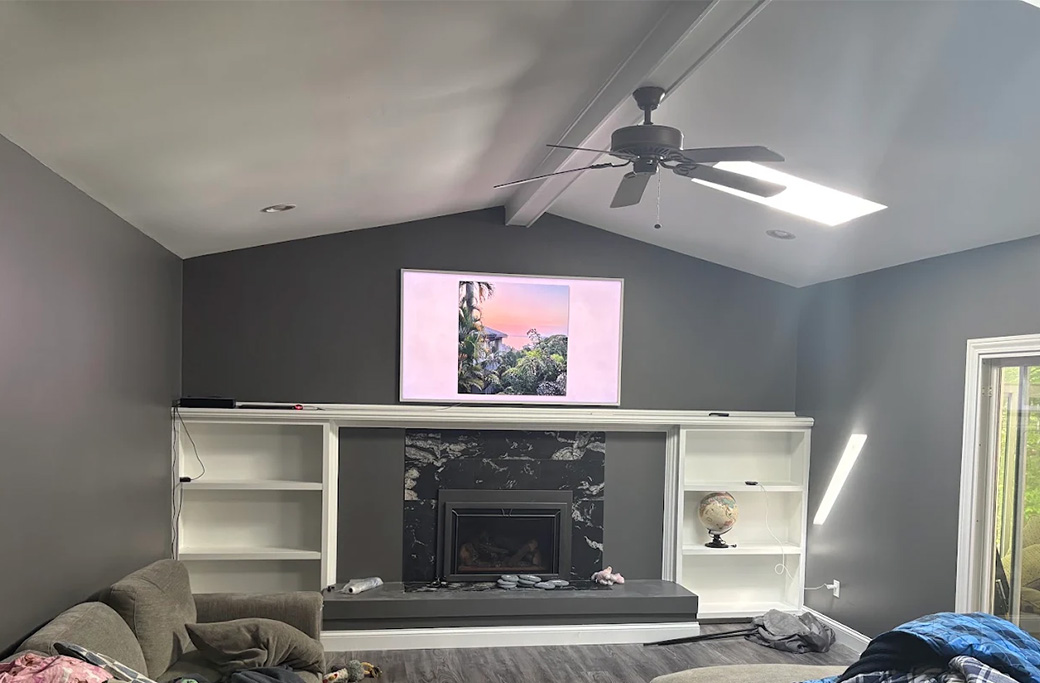
Living Rooms and Family Rooms
These high-use spaces can show accumulated scuffs, worn corners, and older finishes. Fresh paint can change the feel of a room without requiring a major renovation. Think about how the room will be used while work is underway, and when furniture can safely return.
Bedrooms and Guest Rooms
Bedrooms may be easier to schedule individually, especially if other rooms remain available. If you’re preparing for holiday visitors, allow enough time for preparation, painting, ventilation, and appropriate reentry before guests arrive.
Hallways, Doors, and Trim
Entryways and hallways experience frequent contact from people, pets, and furniture. Doors and trim also require careful preparation and suitable finishes because they are handled and cleaned regularly. Discuss the condition of these surfaces when requesting an estimate.
What Should You Do Before Scheduling Winter Interior Painting?
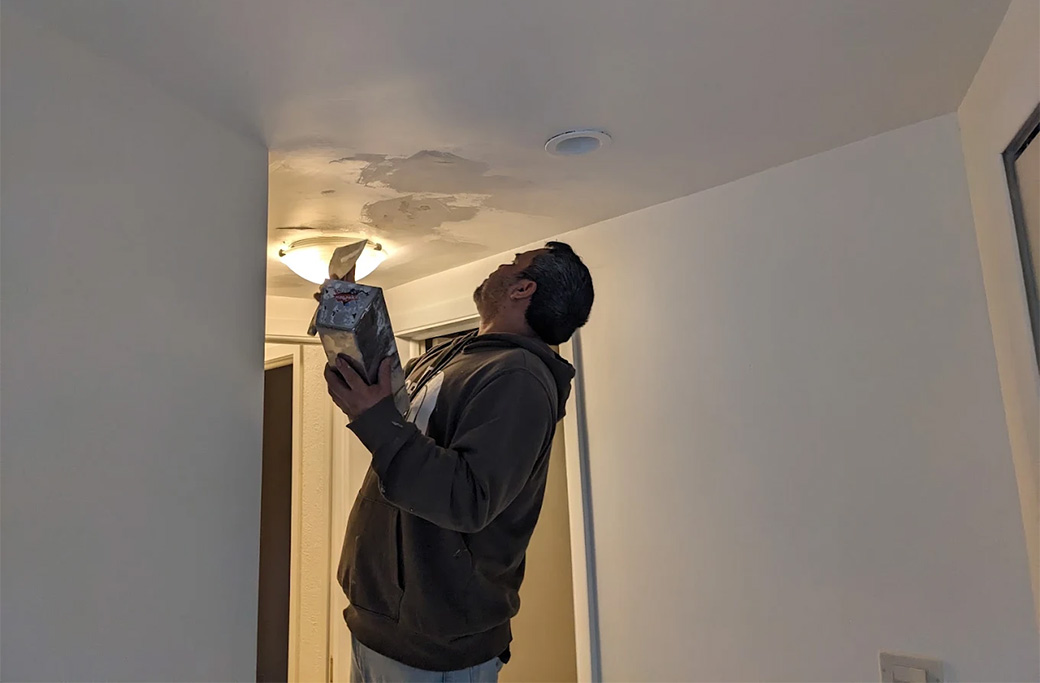
Inspect Your Walls and Trim
Look for cracks, dents, peeling paint, stains, and damaged trim. Cosmetic flaws may need patching, sanding, or other preparation. Persistent moisture staining or active leaks should be investigated and corrected before paint is applied. Learn more about drywall repair before painting in our preparation guide.
Plan Around Your Household
If you’re hosting Thanksgiving or expecting December guests, identify the rooms that must remain accessible. Discuss your preferred timing and which spaces can be temporarily unavailable. Project duration depends on the scope, preparation needs, and drying conditions.
Prepare for Furniture and Access
Furniture, decorations, and belongings may need to be moved or protected. Discuss access and protection needs before the project begins. Clear communication about the rooms involved helps everyone plan for an efficient painting experience.
Ready to Refresh Your Home This Winter?
You don’t have to wait for spring to enjoy refreshed walls, ceilings, doors, and trim. At LRM Painting, we help homeowners in Chesterfield Township and surrounding Southeast Michigan communities plan interior painting projects with attention to surface conditions and preparation.
Whether you want to update one room or refresh several spaces, contact our painting team to discuss your project and request an estimate.