
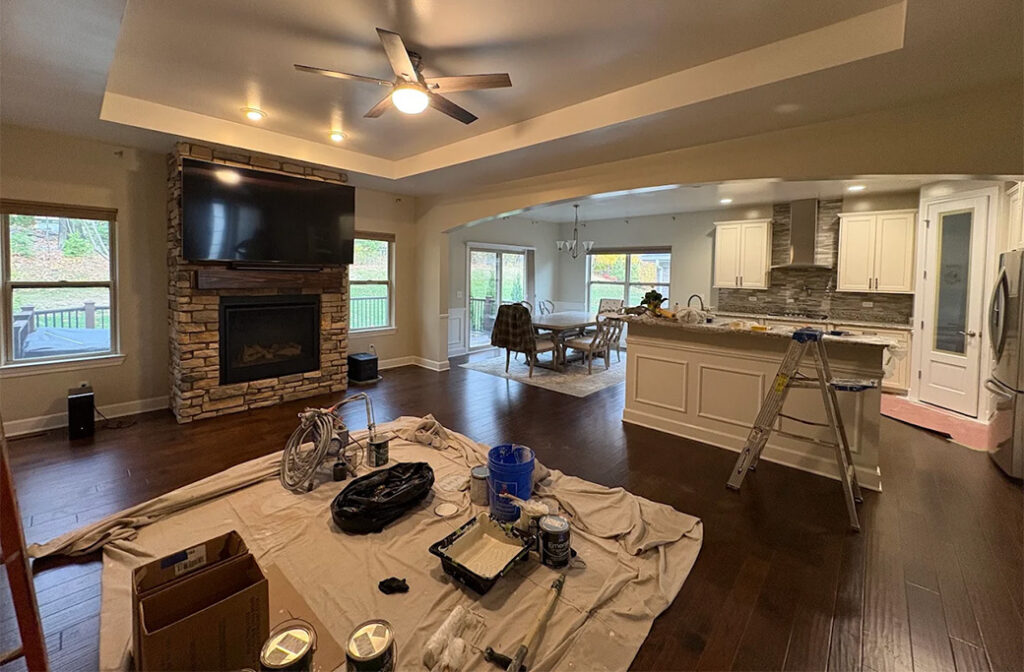
What Drywall Damage Should You Repair Before Painting? A Michigan Homeowner’s Guide
If your walls have cracks, nail pops, dents, holes or old patches, it is usually better to address them before repainting. Paint can change the color and sheen of a wall, but it cannot make damaged drywall disappear. In fact, fresh paint (especially when light hits the wall from a window or fixture) can make some imperfections easier to see.
The good news is that not every mark on a wall requires major drywall work. The key is knowing what is cosmetic, what needs repair before painting, and what may point to a problem that should be investigated first.
For Southeast Michigan homeowners planning an interior refresh this fall or winter, here is what to look for before the first coat goes on.
Does Drywall Need to Be Repaired Before Painting?
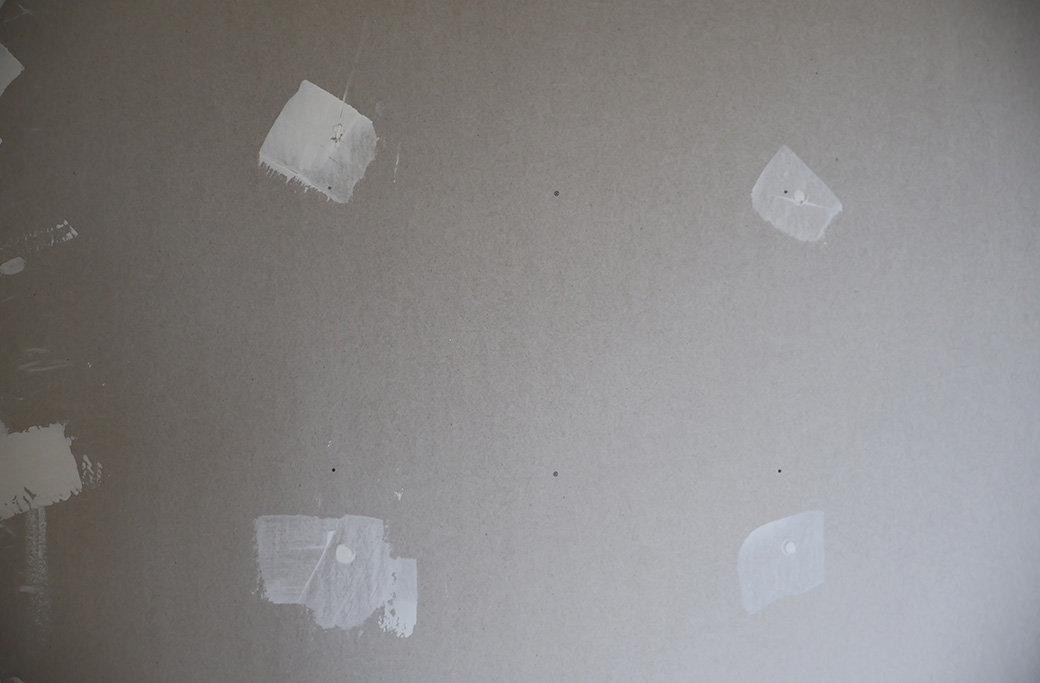
Generally, yes, if the drywall has visible damage.
Small holes, dents, cracked seams, nail pops and poorly finished patches can remain visible through new paint. Repairing and properly preparing those areas first gives the finished wall a smoother, more consistent appearance.
That is also why wall preparation is part of a professional interior-painting process. LRM Painting’s interior house painting services include evaluating the condition of drywall and preparing surfaces before the finish paint is applied.
Here are some of the most common problems worth addressing.
1. Nail and Screw Pops
A nail pop typically appears as a small round bump or cracked spot where a drywall fastener has moved enough to disturb the surface.
Simply painting over the bump won’t fix it. If the fastener continues to move or the raised area remains underneath the paint, the flaw can quickly become visible again.
A proper repair involves addressing the fastener and refinishing the affected drywall surface—not simply covering the spot with more paint.
Can you just put spackle over a nail pop?
Covering the visible bump without addressing why it is protruding may only disguise the problem temporarily. The repaired area also needs to be smooth and properly prepared before repainting so it blends with the surrounding wall.
2. Hairline Drywall Cracks
Small cracks can develop along drywall seams, at corners, or near doors and windows. Homes naturally experience some movement, and Michigan’s changing seasons can make homeowners particularly aware of cracks that seem to appear or reappear.
A small crack is not something paint is designed to fill. If you paint directly over it, the line may remain visible or return. The better approach is to determine what caused the crack, repair the drywall appropriately and then prepare the repaired area for paint.
When should a drywall crack be investigated further?
A crack that keeps returning, changes noticeably, accompanies water damage, or appears alongside other unusual changes in the home deserves more attention than an isolated cosmetic blemish. Painting should not be used to conceal an unresolved moisture or structural problem.
3. Dents, Gouges and Furniture Damage
Moving furniture, kids, pets and everyday life are not especially kind to drywall. Shallow dents and gouges might seem insignificant until the room is freshly painted. Once the wall has a uniform new finish, those irregular areas can catch light and become surprisingly noticeable.
Small damaged areas can often be repaired without replacing large sections of drywall. What matters most is getting the surface flat enough that the repair doesn’t announce itself after the paint dries.
If your walls have accumulated years of dents, holes and other damage, LRM’s drywall repair services in Chesterfield Township can take the project from wall repair through painting.
4. Holes in Drywall
Not every drywall hole is the same. A tiny picture-hanger hole requires a very different repair from damage caused by a doorknob, moving furniture or removing something mounted to the wall. Larger holes generally require more than simply filling the opening with compound. The damaged section may need reinforcement or patching before it can be finished, sanded, primed and painted.
The goal isn’t merely to fill the hole. It is to make the repaired area transition smoothly enough into the existing wall that it does not remain obvious after painting.
5. Failed or Visible Drywall Seams
If you can see a line, ridge, crack or lifting tape where two drywall sheets meet, paint alone will not solve the problem. These imperfections are especially noticeable when light travels across a wall, rather than hitting it straight on. A freshly painted surface may actually draw more attention to the uneven seam.
The seam should be repaired and finished first. Once it is smooth, the repaired area can be prepared for the finish coat.
6. Water Stains and Water-Damaged Drywall
A water stain requires a different approach because the discoloration may be evidence of an underlying moisture problem.
Do not treat fresh paint as the solution to active water damage.
First, identify and correct the source of the moisture. Depending on the extent of the damage, the drywall may then need repair or replacement before the surface is primed and painted. Painting directly over a stain without dealing with the underlying cause can leave you with a freshly painted wall, and the same problem waiting underneath it.
7. Old Drywall Patches That You Can Still See
Sometimes the drywall has already been repaired, but everyone can still tell exactly where the repair is. That can happen when a patch was not feathered smoothly into the surrounding surface, wasn’t sanded sufficiently, has a different texture, or wasn’t properly primed before the wall was painted.
One common issue is flashing, where the repaired section reflects light differently from the surrounding painted wall. That is why a drywall repair isn’t finished just because the hole or crack has disappeared. The repaired surface also has to be prepared for paint.
Do Drywall Repairs Need to Be Primed Before Painting?
Fresh joint compound and exposed drywall are more porous than an already painted wall. If a repaired area is painted without appropriate preparation, it can absorb paint differently and leave a visible change in sheen or texture.
Primer helps create a more consistent surface before the finish coat is applied. This becomes especially important when you are trying to make a repair disappear, rather than simply cover it.
Will Two Coats of Paint Hide Wall Imperfections?
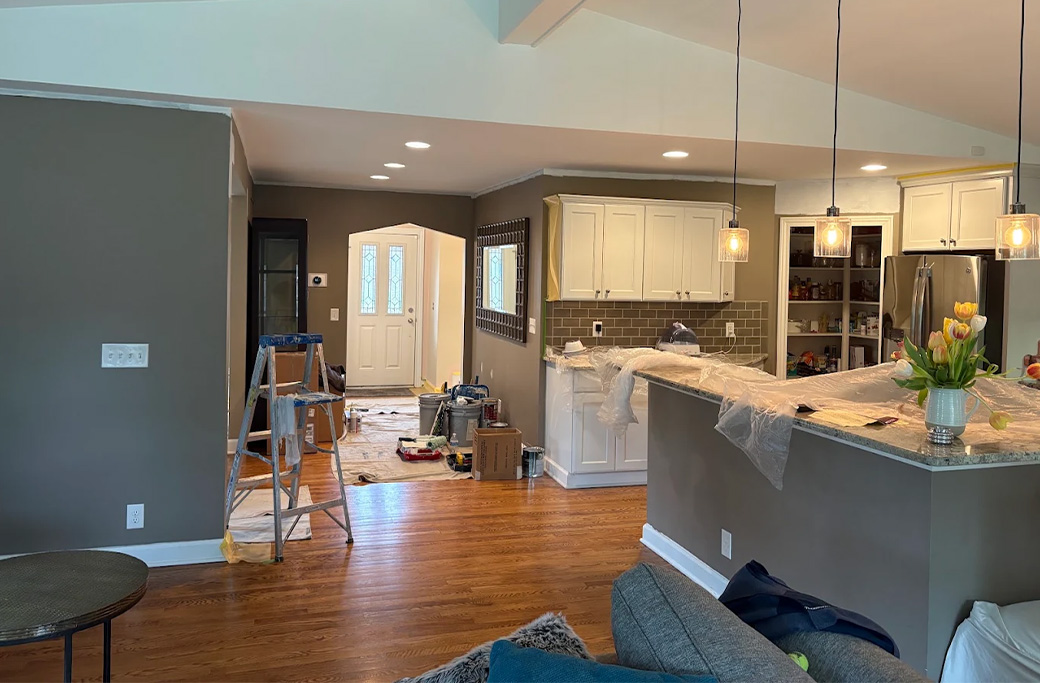
More paint isn’t a substitute for proper wall preparation. Additional coats can improve color coverage, but they generally won’t flatten dents, repair cracks, fix loose drywall tape or smooth a poorly finished patch.
Think of paint as the finish, not the repair material. If a flaw is visible before painting, assume it may still be visible afterward unless it is properly addressed.
Should You Repair the Drywall or Replace It?
Many common wall problems can be repaired locally. Small holes, dents and cosmetic damage don’t automatically mean an entire drywall panel needs to come out. Replacement may become more appropriate when drywall is extensively damaged or otherwise no longer provides a sound surface.
That decision should be made before investing time and money in finish painting. LRM provides both drywall repair and installation services, which can simplify projects where wall preparation and painting need to happen together.
Why Fall Is a Good Time to Look at Your Interior Walls
October in Southeast Michigan naturally shifts home projects indoors.
It’s also a useful time to inspect rooms before the holiday season and the longer stretch of winter when people spend more time inside. Once you’re actually looking closely at the walls, you may start noticing nail pops in the hallway, old picture holes in the living room or patches that never blended correctly.
Rather than choosing a new color first, start with the condition of the surface.
If you’re planning to repaint, LRM also has a guide on how to prep your house for interior painting in Chesterfield Township, that can help you get ready for the project.
What Should You Check Before Repainting a Room?
Before choosing the paint color, walk around the room during daylight and look at the walls from several angles.
Check for:
-
- Nail or screw pops
- Hairline cracks
- Dents and gouges
- Old picture and anchor holes
- Visible drywall seams
- Loose or damaged tape
- Previous patches that remain visible
- Water stains or signs of moisture
- Damaged corners
- Uneven texture
Pay particular attention to walls with strong natural or directional light. Imperfections that seem minor in flat lighting can become much more noticeable once the room has a clean new finish.
Start With the Wall, Then Think About the Color
A beautiful interior paint job starts before the paint can is opened. If your walls have accumulated cracks, holes, dents, old patches or other damage, addressing those areas first can make a major difference in how the finished room looks.
LRM Painting provides drywall repair and professional interior painting for homeowners in Chesterfield Township and surrounding Southeast Michigan communities. If you’re planning an interior repaint and aren’t sure what needs to be repaired first, contact LRM Painting to have the walls evaluated and discuss the next step.
FAQs About Drywall Repair Before Painting
Can I paint directly over a drywall crack?
You can physically apply paint over a crack, but paint is not a drywall repair. The crack may remain visible or reappear. Determine the cause and repair the surface before repainting.
Will paint cover nail pops?
No. Paint may change their color, but it won’t flatten or properly repair the raised drywall around a nail or screw pop.
Do I need to prime drywall patches?
Fresh joint compound and exposed drywall absorb paint differently from previously painted surfaces. Proper priming helps create a more consistent final appearance.
Can I paint over a water stain?
The source of the water should be corrected first. Damaged drywall may need repair or replacement, and staining may require appropriate preparation before finish paint is applied.
Should drywall be repaired before or after painting?
Before. Repairing, finishing, sanding and preparing damaged drywall before the finish paint is applied gives the wall the best opportunity for a smooth, consistent appearance.
Can a painter repair drywall too?
Some painting contractors provide drywall services and some do not. LRM Painting provides both drywall repair and interior painting, allowing wall preparation and finish painting to be planned as part of the same project.